Ready to make a real impact in your community? Explore these civic engagement ideas, including volunteering at schools and organizing local events, to get started.
Introduction to Civic Engagement
Civic engagement is the cornerstone of a vibrant and resilient community. It encompasses a wide range of activities, from voting in elections and volunteering for community service projects to participating in grassroots activism and supporting social justice initiatives. By taking part in civic engagement activities, community members help shape the democratic process, strengthen social cohesion, and promote the well-being of everyone in their community.
Civic engagement can take many forms, including political participation, community involvement, and service learning. Whether you’re volunteering at a local food bank, organizing a neighborhood clean-up, or advocating for positive change, your participation makes a difference. Engaged citizens not only address immediate community needs but also contribute to long-term improvements in social capital and community well-being. By actively participating in civic life, individuals help build a more inclusive, just, and connected society.
Key Takeaways
- Volunteering at local schools and community service projects significantly enhances civic engagement by fostering responsibility and social ties among participants.
- Participating in voter registration drives and advocating for social justice promotes political participation and empowers underrepresented communities to have their voices heard.
- Civic engagement includes both political and non-political processes, such as volunteering, community service, and other forms of civic action outside of formal political channels, allowing individuals to make a positive impact on their communities.
- Utilizing social media effectively can enhance civic engagement by mobilizing support and raising awareness of community issues and initiatives.
Fostering Civic Life
Fostering civic life is essential for building a strong, connected, and thriving community. Local government, elected officials, and community organizations all play a pivotal role in encouraging civic engagement by creating opportunities for community members to get involved. Hosting community events such as town hall meetings, volunteer fairs, and cultural festivals helps bring people together, spark meaningful conversations, and strengthen the bonds that unite a community.
Active participation in civic activities allows individuals to build relationships, develop a sense of belonging, and contribute to the overall well-being of their community. Civic education is also a key component of fostering civic life, as it equips people with the knowledge and skills needed to participate effectively in the democratic process. By learning about government, understanding their rights and responsibilities, and engaging in local initiatives, community members become empowered to make a positive impact. Volunteering, attending local events, and collaborating with community organizations are all ways to nurture civic life and ensure that everyone has a voice in shaping the future of their community.
Volunteer at Local Schools
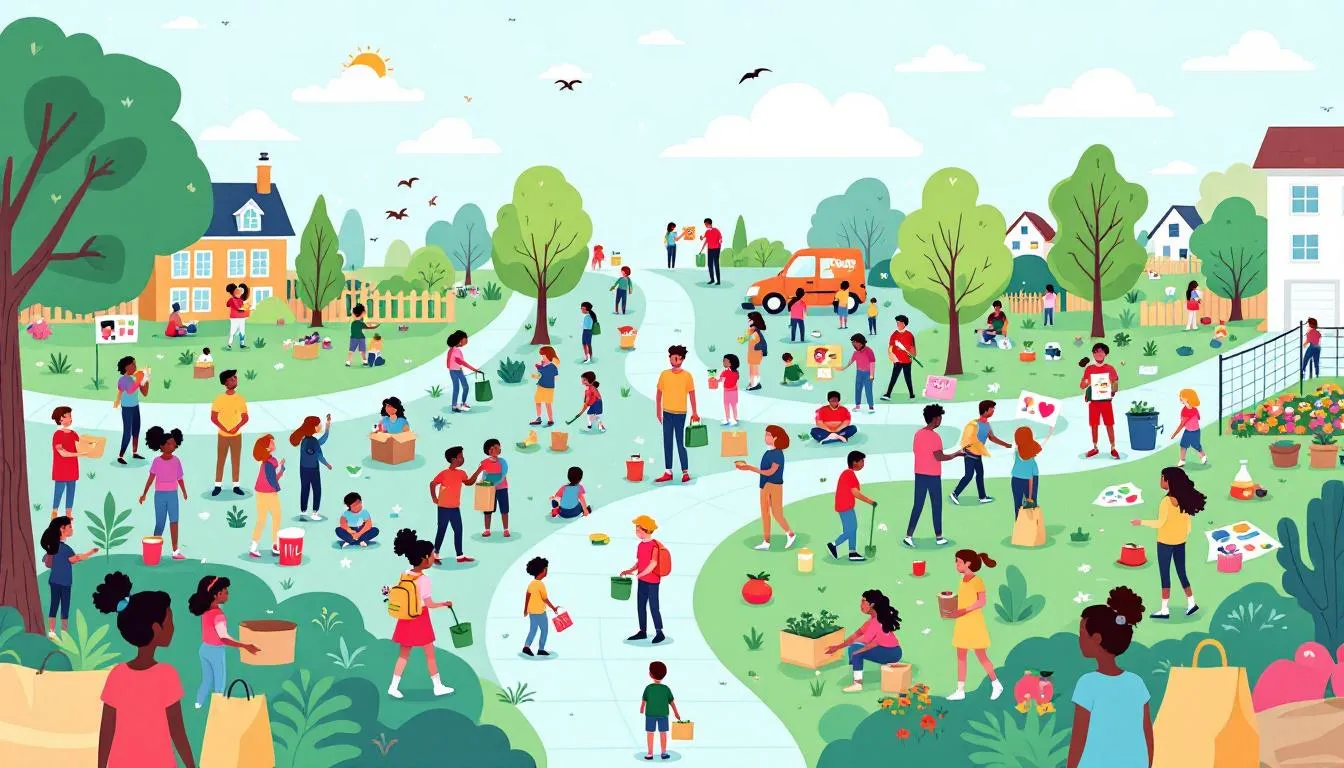
Volunteering at local schools is a cornerstone of civic engagement, directly impacting the future of our communities. Engaged youths often report volunteering as their primary form of civic engagement, and schools are an excellent starting point. High school students can prepare for future civic engagement by participating in activities designed to promote social responsibility, such as tutoring programs and after-school initiatives. Many of these opportunities are available in person, allowing for direct interaction and mentorship. These activities not only support educational outcomes but also foster a sense of civic duty among students. Volunteering is a common form of civic engagement among youth, often sparking a lifelong commitment to civic activities.
Teens can create tutoring programs to help younger students with their homework, enhancing both their academic skills and civic responsibility. Engaging with youth through coaching sports teams or providing extracurricular activities also builds community involvement and helps students apply their skills in real-world contexts. These volunteer opportunities enrich community ties and enhance the well-being of both the volunteers and the communities they serve. Youth development initiatives focus on providing good role models to help kids succeed later in life.
A clear mission statement for volunteer programs can clarify their purpose and encourage broader student participation. Safety guidelines, such as background checks and parental consent forms, are crucial to ensure a safe environment for all participants.
Incorporating virtual volunteering opportunities can also expand engagement, especially for students who prefer online methods. Volunteering at local schools allows community members to significantly contribute to the growth and development of the next generation through service learning.
Participate in Voter Registration Drives
Participating in voter registration drives is a vital civic engagement activity that promotes political participation. Key points include: National Registration Day is used as a catalyst to register voters across the U.S.
- Registering voters ensures that electoral participation is broad and inclusive, giving voice to underrepresented communities.
- In recent years, voter turnout has shown fluctuations, with a 20% drop in the 2022 election compared to 2020.
- Engaged citizens can help counteract this trend by joining efforts to register new voters and raise awareness about the importance of voting.
Recognizing the contributions of young volunteers in these drives is essential for motivating continued engagement. Effective voter outreach campaigns often utilize data analysis skills to target their efforts. Participating in voter registration drives and signing petitions are important ways to prepare for the upcoming election and ensure community voices are heard.
Participating in these drives allows community members to actively support democracy and ensure that more voices are heard in upcoming elections. Key points include:
- Organizations like HeadCount provide resources and lists of nonprofits involved in voter registration, making it easier to find volunteer opportunities.
- Expanding voting locations can empower communities.
- Creating awareness about voter registration drives enables communities to exercise their rights.
Join Community Service Projects
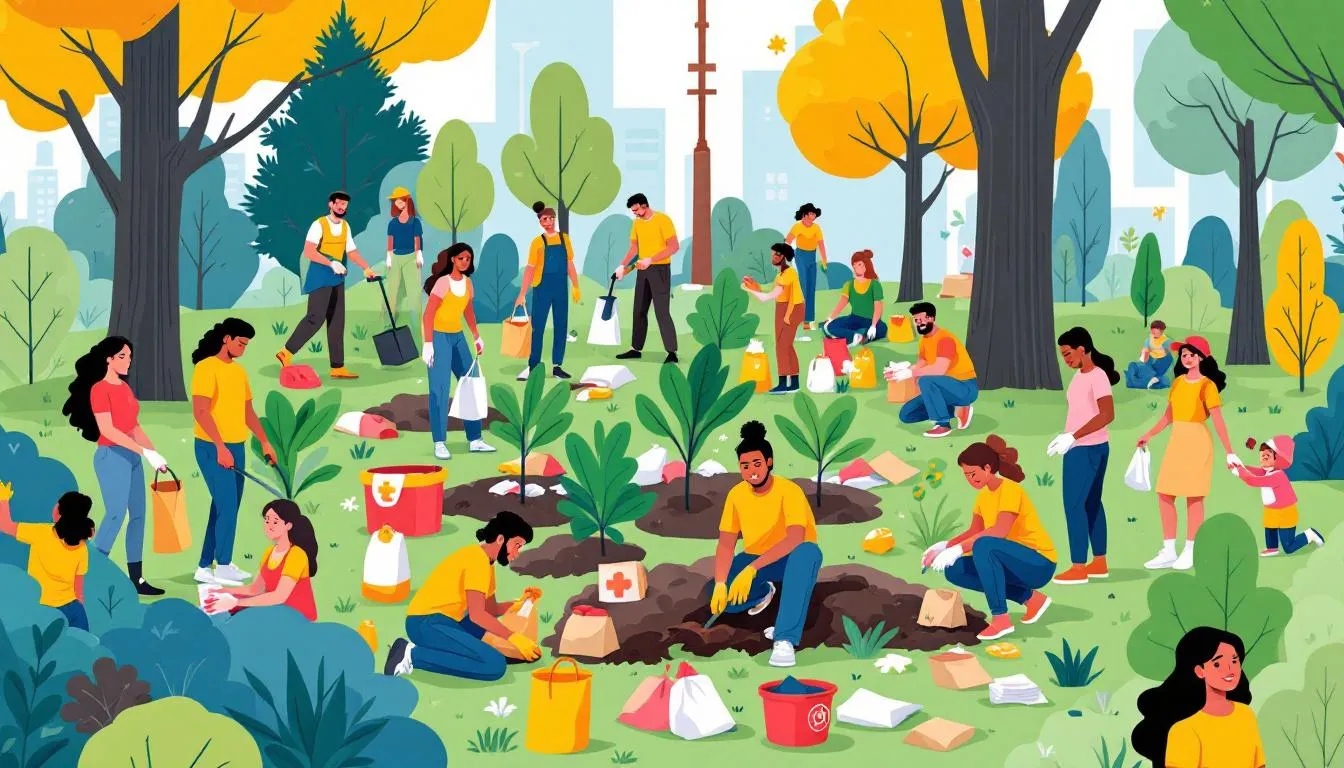
Community service projects are a powerful way to build community well-being and foster civic engagement. These projects range from local clean-ups and tutoring programs to donating blood and volunteering at soup kitchens. High school students, for instance, can enhance their volunteer experience by participating in community gardens that support local food banks. Regular participation in these gardens helps youth engage with the environment and build connections with others.
Fundraising for causes you care about is another impactful way to contribute. Supporting nonprofit organizations and causes you care deeply about ensures your efforts align with your core values and passions. Organizing charity walks or races can support local initiatives and bring the community together. Students can also coordinate community gardening workshops and donate produce to local food banks, which not only supports the community but also teaches valuable skills. The purpose of these projects is to benefit the local community and environment, creating a positive impact on many levels, including support for local charity.
Engaging in community service projects provides mental and physical health benefits to the individuals involved. These activities foster a sense of accomplishment and connection, enhancing both personal well-being and community ties. Finding solutions to local challenges through community service enables active citizens to make meaningful contributions to their communities.
Addressing Community Needs
Addressing community needs is at the heart of meaningful civic engagement. It requires collaboration between community members, local government, and organizations to identify challenges and develop effective solutions. Community service projects—such as organizing food drives, cleaning up parks, or volunteering at homeless shelters—are practical ways to address pressing issues and promote social justice within the community.
By working together, individuals can uncover the root causes of local problems and create lasting positive change. Civic engagement activities like volunteering not only help meet immediate needs but also build social capital, foster social cohesion, and enhance the overall well-being of the community. Community dialogues and the use of social media platforms provide valuable spaces for residents to discuss issues, share knowledge, and participate in decision-making processes. Through these collaborative efforts, communities become more resilient, inclusive, and empowered to shape their own futures.
Engage with Local Government

Engaging with local government at the local level is essential for influencing decisions that impact our daily lives. Civic engagement is equally important at the national level, where participation can influence broader policy decisions and strengthen democracy. Regularly communicating with elected officials and attending town hall meetings are effective ways to express opinions and influence policy. Citizens Academies, organized by city management or community involvement coordinators, teach residents about local government and encourage active participation. These academies foster understanding and interaction between residents and government officials, promoting public confidence and inclusive discussions. Participatory budgeting allows citizens to influence spending decisions directly.
Public forums and community dialogues are participatory methods that promote open communication and collaborative problem-solving. These forums empower citizens by ensuring that all voices are heard, enabling residents to effectively communicate local opposition to government projects. Monitoring social media and official websites helps residents stay informed about local government meetings and events.
Engaging with local government allows community members to actively participate in the democratic process and influence local policy decisions. This involvement is crucial for fostering civic engagement and ensuring that the needs and concerns of the community are addressed through community engagement, making them civically engaged.
Support Public Health Initiatives

Supporting public health initiatives is another crucial aspect of civic engagement activities. Volunteer opportunities in public health include donating blood, assisting at vaccination clinics, and promoting public health campaigns. These activities are vital for maintaining and improving community health, especially in times of crisis. Programs like Be My Eyes connect volunteers with the visually impaired to assist with everyday tasks, further expanding the scope of public health support.
Promoting public health campaigns helps raise awareness about important health issues and engages community members in efforts to improve public health. Active participation in these initiatives enables engaged citizens to positively impact their community’s well-being and contribute to overall local health and safety.
Organize Community Dialogues
Organizing community dialogues is an effective way to foster civic engagement and build social cohesion. These dialogues serve as platforms for large discussions on significant social and civic issues, providing a safe environment for participants to share and listen. This helps develop future leadership and encourages a more inclusive, participatory community.
Organizers prepare Background Guides that outline discussion topics and questions, facilitating engaging and productive conversations. These dialogues can address a wide range of topics, from local issues to broader societal challenges, helping community members discuss issues feel more connected and empowered to take action.
Advocate for Social Justice
Advocating for social justice is a powerful way to address a pressing issue and promote equality. Key aspects include:
- Grassroots activism focuses on mobilizing communities to tackle social justice issues through collective action.
- Participating in local movements can amplify voices demanding systemic change and equality.
- Collaborative efforts with diverse organizations strengthen these initiatives, making them more effective in combating various forms of oppression.
Social media plays a crucial role in these efforts by providing a platform for sharing resources and organizing movements. It allows for a wider audience reach, enabling organizations to raise awareness and advocate for social causes on a global scale. Engagement in grassroots activism not only empowers communities but also fosters social equity and systemic change.
Advocating for social justice allows community members to contribute to a more equitable society and address the root causes of many social issues. This involvement is essential for fostering civic engagement and promoting positive social change.
Promote Civic Education in Schools

Promoting civic education in schools is crucial for fostering informed participation in the political process. Civic education teaches citizens their rights and responsibilities, helping them understand governmental structures and processes. A well-informed citizenry is essential for a thriving democracy, and civic education plays a key role in achieving this.
Programs like Youth Lead the Change allow youth to contribute to public spending decision making, fostering a sense of empowerment and involvement. Creating a class constitution and engaging in participatory budgeting are practical ways to teach students about governance principles and the democratic process. These initiatives encourage students to actively participate in political processes and enhance their knowledge and engagement.
Civic education also promotes diversity, equity, and inclusion, training young people to embrace different societal views and contribute to a more inclusive civic life. Promoting civic learning in schools helps young people develop a sense of civic duty and prepares them to be active and engaged citizens.
Volunteer for Political Campaigns
Volunteering for political campaigns is a dynamic way to engage in political participation and support candidates or parties through political engagement. Volunteers can participate in various activities such as canvassing, phone banking, or organizing events to assist in voter outreach. Volunteering during a presidential election is especially impactful, as it helps address pressing national issues and supports candidates whose policies align with your values. These activities range from low-commitment tasks like sharing content on social media to full-time roles in campaign strategy.
Engaging in political campaigns offers volunteers a chance to develop skills in areas like public speaking and digital marketing, as well as many forms of other forms of volunteering. Micro-volunteering, such as participating in online polls, allows individuals to contribute meaningfully without a significant time commitment.
Volunteering for political campaigns allows community members to actively participate in the political process and help shape their community’s future.
Participate in Citizen Science Projects
Participating in citizen science projects is an engaging way to contribute to scientific research and environmental conservation. These projects often lead to improved awareness and advocacy for environmental issues, including climate change. Students involved in citizen science gain practical experience that aligns with their academic interests, making it a valuable educational activity.
Platforms like iNaturalist and Zooniverse facilitate data collection and scientific observations by citizen scientists, attracting a diverse demographic of participants. These projects engage the public in data collection and analysis, contributing to scientific research and fostering a sense of civic duty.
Lead Community Events
Leading community events is a powerful way to foster stronger connections among residents and enhance social cohesion. Organizing local festivals or cultural celebrations can promote community pride and heritage, bringing people together in celebration. Participating in these events fosters a sense of connection and satisfaction within one’s community, as individuals engage in meaningful social interactions and civic engagement. Fundraisers can engage residents in collective efforts to support local charities and causes, further strengthening community bonds.
Leading community events allows active citizens to create opportunities for residents to come together, celebrate shared heritage, and support local initiatives within one’s community. One example of these community activities is how community organizations build a sense of unity and contribute to the overall well-being of the community through local events.
Utilize Social Media Platforms
Utilizing social media platforms is essential for modern civic engagement. Different platforms serve various purposes:
- Snapchat and Instagram are effective for recruiting volunteers, especially among local youth.
- Twitter and Facebook facilitate quick organization of events and mobilization of supporters for civic activities.
- Social media allows for real-time feedback, enhancing communication about civic issues among community members.
Social media has transformed how communities raise awareness and engage with civic issues, bypassing traditional media and allowing direct communication of important community issues. Effective use of social media allows communities to foster greater civic engagement and strengthen their social capital ties.
Start a Responsible Consumerism Campaign
Starting a responsible consumerism campaign is a meaningful way to promote ethical consumer choices and foster civic engagement. Discussing responsible consumerism during high school can help students make informed decisions as they begin earning wages. These campaigns encourage individuals to consider the impact of their purchases on society and the environment.
Active participation in responsible consumerism campaigns allows engaged citizens to promote positive change and support sustainable practices. These efforts contribute to a more ethical and conscious community, aligning consumer habits with civic values.
Summary
Incorporating a wide range of civic engagement activities into your daily life can have a profound impact on your community. From volunteering at local schools to participating in voter registration drives and supporting public health initiatives, each action contributes to the greater good. Engaging with local government, advocating for social justice, and promoting civic education in schools further strengthen the democratic process and foster a sense of community.
By taking these steps, you can inspire others to join you in making a difference. Civic engagement is not just about individual actions but about building a collective movement towards a more inclusive, equitable, and vibrant society. Together, we can create lasting change and empower our communities for a brighter future.
Frequently Asked Questions
What are some easy ways to get involved in civic engagement activities?
Volunteering at local schools, engaging in community service projects, and joining voter registration drives are easy and impactful ways to participate in civic engagement activities. Your involvement can make a significant difference in your community.
How can I support public health initiatives in my community?
To support public health initiatives in your community, consider donating blood, volunteering at vaccination clinics, and promoting public health campaigns to raise awareness. Your involvement can make a significant difference in improving community health outcomes.
What is the importance of civic education in schools?
Civic education is crucial as it equips students with knowledge of their rights and responsibilities, promoting informed participation in the political process and community engagement. This foundation is essential for developing responsible and active citizens.
How can social media be used for civic engagement?
Social media can effectively enhance civic engagement by enabling the recruitment of volunteers, event organization, and raising awareness of civic issues through real-time communication and mobilization. Utilizing these platforms fosters a more active and informed community.
What are citizen science projects, and how can I get involved?
Citizen science projects engage the public in scientific research and data collection, offering platforms like iNaturalist and Zooniverse for participation. You can get involved by joining these platforms and contributing to various environmental and scientific studies.