Engaged citizenship means actively participating in community and civic life, which leads to stronger, more vibrant communities. This article outlines seven practical steps you can take to foster engaged citizenship in your neighborhood, from staying informed to volunteering.
Key Takeaways
- Civic participation empowers citizens and strengthens democracy; every voice counts in shaping local communities.
- Staying informed and engaged in local politics through discussions, social media, and community forums is essential for facilitating change.
- Volunteering, supporting local businesses, and educating ourselves and others are key actions that foster engaged citizenship and community resilience.
Understand the Importance of Civic Participation
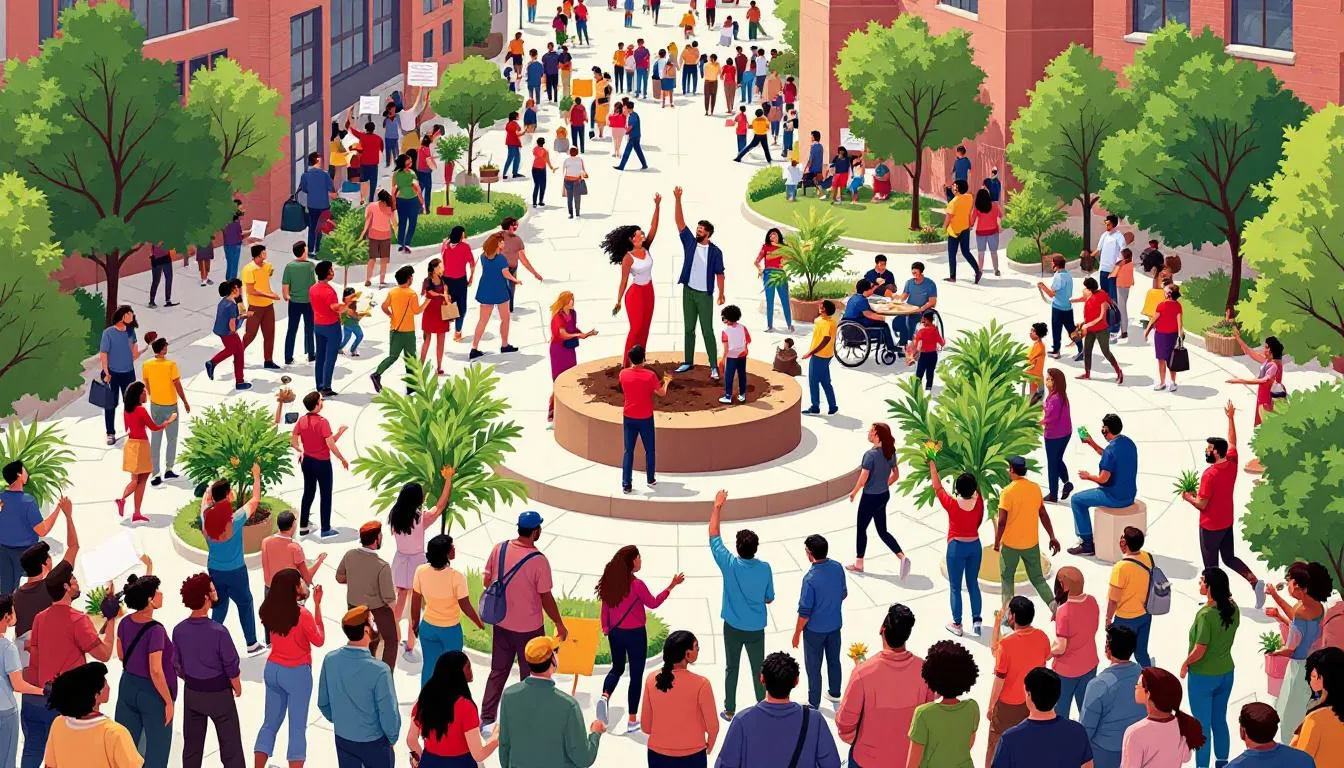
Active participation in civic life empowers citizens and strengthens democracy by connecting individuals to their communities and ensuring every voice matters. Engaged citizens contribute through discussions that address local needs, fostering trust, unity, and policies reflecting shared values.
Voting is a key element of engaged citizenship, allowing individuals to influence community policies and hold elected officials accountable. Including diverse voices, especially marginalized groups, leads to more equitable outcomes and strengthens relationships between local governments and residents. Civic identity extends beyond legal status, shaped by diverse contributions, including those of immigrants, enriching American civic life.
By valuing civic participation and diversity, we build stronger, more resilient communities that thrive on inclusion and active involvement.
Characteristics of an Engaged Citizen
An engaged citizen is an active member of their community who takes initiative to participate in civic life and make a positive impact. They stay informed about current events, local politics, and social issues, using this knowledge to guide their actions. Engaged citizens volunteer their time and skills to support local organizations and initiatives, recognizing the value of meaningful service in building community and shared responsibility.
They understand the importance of voting as a tool to shape policies and ensure all voices are heard. Respect for diversity and inclusivity drives them to cultivate empathy and build collaborative relationships within their community. Lifelong learning about American history, government, and civic life empowers them to participate effectively and inspire others.
By actively contributing ideas, engaging in public discussions, and fostering a culture of participation, engaged citizens lead by example to create vibrant, inclusive, and resilient communities.
Stay Informed About Local Politics
Staying informed about local politics is essential for engaged citizenship and allows individuals to influence positive change. One of the most effective ways to stay connected is by attending city council sessions, community forums, or board of education meetings. These venues provide community members with the opportunity to voice their opinions and stay updated on local governance. When we show up, we not only learn about the issues but also signal to our leaders that we care about the decisions being made.
Social media platforms have become powerful tools for local governments to share updates on community events, local news, and services. These platforms enhance citizen engagement through their interactive features, allowing for real-time feedback and discussions. Following local government pages and engaging with their content keeps us informed and allows us to participate in the civic life of our neighborhoods.
Local newspapers and regional publications are valuable resources for staying informed about decisions impacting the community. Subscribing to these publications or regularly visiting their websites can keep us updated on the latest developments and issues that matter most to our communities. Engaged citizens can significantly influence local government decisions through organized advocacy and informed action.
Engaging with local politicians through social media can enhance transparency and communication between elected officials and constituents. By following, commenting, and sharing their posts, we can foster a more open dialogue and hold our political politicians accountable. Staying informed about local politics is not just about consuming information; it’s about actively participating in shaping the future of our cities and neighborhoods.
Exercise Your Right to Vote

Voting is a fundamental aspect of engaged citizenship, allowing citizens to express their preferences and shape future policies. Each vote contributes to a collective voice, making the outcomes of elections a true representation of public opinion. When we participate in elections, we ensure that our voices are heard and that our concerns are addressed by those in power.
Participating in elections holds elected officials accountable. When leaders know that their positions depend on the support of their constituents, they are more likely to act in the best interest of their communities. This accountability is crucial for a functioning democracy, as it ensures that our representatives are responsive to our needs and expectations.
Voting empowers citizens to shape legislation on significant issues like education and healthcare that directly affect their lives. By casting our ballots, we can influence the direction of policies that matter most to us and our families. This power to effect change is a cornerstone of our democratic system and a privilege that should not be taken lightly.
Exercising the right to vote honors the struggles of those who fought for suffrage, acknowledging the importance of this hard-won privilege. Throughout American history, countless individuals have fought tirelessly to secure the right to vote for all citizens. Voting pays tribute to their efforts and continues the legacy of civic engagement that is vital for the health of our democracy.
Volunteer for Meaningful Service
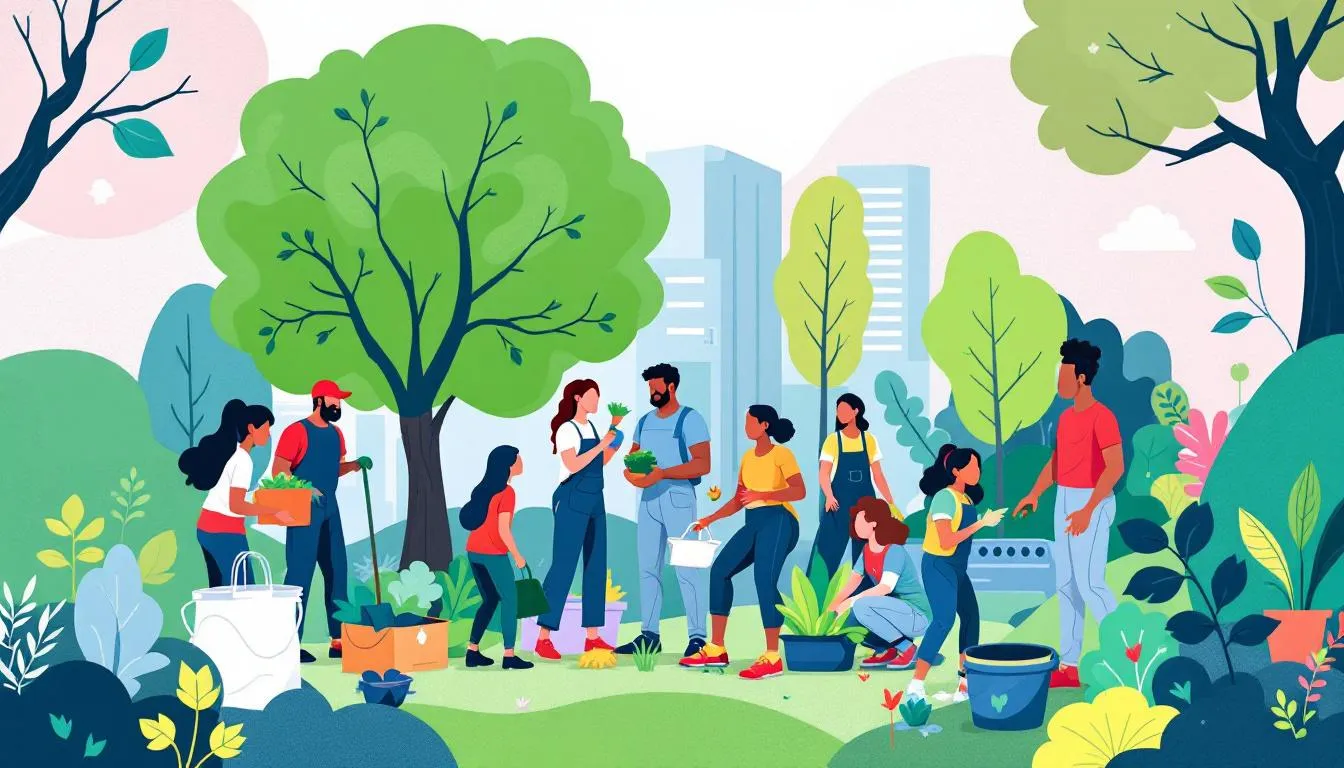
Volunteering can significantly enhance community life by addressing pressing local needs and fostering social responsibility. As engaged citizens, identifying a local need and contributing to it—whether through time, skills, or resources—can make a tangible difference. Whether it’s tutoring underprivileged children, helping at a food bank, or participating in environmental clean-up efforts, there are countless ways to get involved.
Participating in community clean-up groups can help enhance the living conditions and visual appeal of neighborhoods. These efforts not only improve the environment but also foster a sense of pride and ownership among residents. When we work together to beautify our surroundings, we create spaces that we can all enjoy and take pride in.
It’s important to remember to take time to rest and recharge between community activities. Balancing personal well-being with service ensures more sustainable and meaningful engagement.
Volunteering with organizations that assist the homeless often requires diverse skills, including outreach and logistical support. Offering our time and expertise helps provide essential services to those in need and work towards long-term solutions to homelessness. This kind of meaningful service not only benefits the recipients but also enriches our own lives by fostering empathy and understanding.
Building homes with Habitat for Humanity allows volunteers to gain practical skills while contributing to community development. These projects provide affordable housing to families in need, helping to create stable and thriving communities. Engaging in volunteer work cultivates a sense of community and encourages civic participation among residents, making our neighborhoods stronger and more resilient.
Support Local Businesses and Events
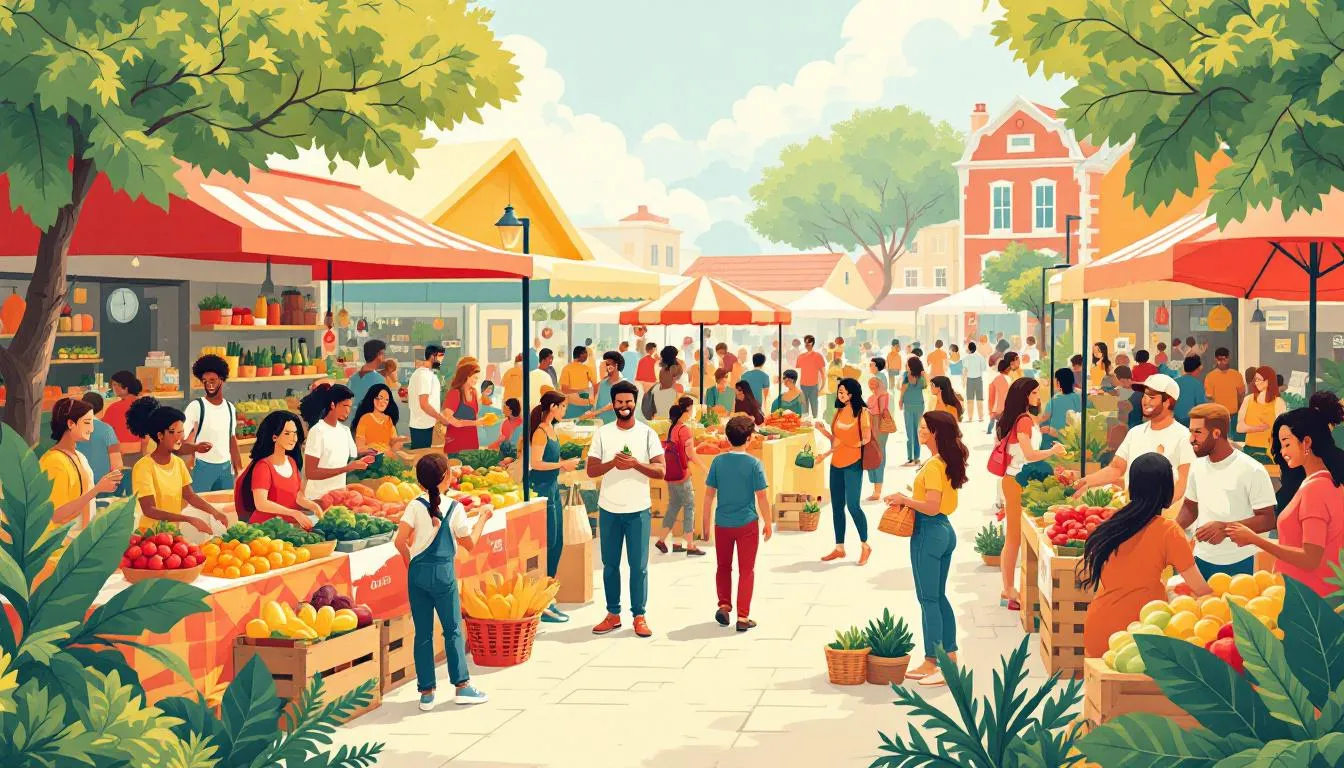
Supporting local businesses and participating in local events is crucial for the economic and social vitality of our communities. Local businesses are essential for job creation, especially in small communities, providing employment opportunities for residents. When we choose to shop locally, we invest in the livelihoods of our neighbors and help sustain the local economy.
Spending at local establishments leads to increased community revenue as money circulates within the local economy. This economic boost can lead to improved public services, better infrastructure, and overall enhanced quality of life for all community members. A thriving local business scene can also enhance community morale, giving residents a sense of pride and identity.
Organizing fundraisers can effectively mobilize community support and resources for non-profit organizations. These events bring people together for a common cause, fostering a sense of unity and purpose. Participating in local food drives and toy collection initiatives can significantly uplift the spirits of those in need during holidays. These acts of kindness not only provide immediate relief but also strengthen the social fabric of our communities.
Events sponsored by local businesses can foster community engagement by bringing residents together and enhancing social connections. Whether it’s a farmers’ market, a street fair, or a holiday parade, these events create opportunities for neighbors to interact, celebrate, and build lasting relationships. Supporting local businesses and events is a powerful way to contribute to the vibrancy and resilience of our communities.
Engage in Community Discussions and Debates

Engaging in community discussions and debates is essential for fostering understanding and building relationships. Civic engagement can occur in various settings, including:
- Classrooms
- Community groups
- Digital spaces
- Religious institutions
These venues provide opportunities for community members to express their concerns, define their ideas, and talk together towards developed common goals in accordance with the law, benefiting local communities through a program in society and the world.
Community venues frequently organize book clubs that foster discussions with neighbors. These gatherings create a space for individuals to explore different perspectives, discuss important issues, and build connections with fellow community members. Participants often use evidence from the texts to support their interpretations or arguments during these discussions. Engaging in such activities not only broadens our horizons but also strengthens the relationship of the social fabric of our neighborhoods.
Engaging with community associations encourages understanding and involvement in local issues. These groups often address specific concerns, such as:
- neighborhood safety
- environmental protection
- cultural preservation Participating in these discussions allows us to contribute to solutions that reflect the values and needs of our communities.
Engaging in debates allows us to address differences and find common ground. It’s through these conversations that we can build stronger, more inclusive communities. When we engage in respectful and constructive dialogue, we foster a culture of trust and cooperation that benefits everyone. Participating in community discussions and debates is a powerful way to engage with our neighbors and work towards a better future for all.
Educate Yourself and Others
Educating yourself and others is fundamental for fostering informed and engaged citizens. Civic education is crucial for enabling individuals to effectively participate in democratic processes. Research indicates that many young individuals lack essential civic knowledge, which hampers their ability to engage in democratic activities. By prioritizing civic education, we can bridge this gap and empower the next generation of leaders.
High-quality civic education programs are linked to increased levels of civic engagement among student participants. Incorporating civic learning into school curricula can help students understand their civic responsibilities and develop the skills needed for active participation. This education should encompass knowledge, attitudes, and behaviors that enable individuals to contribute positively to their communities and governance.
Books, podcasts, and courses on U.S. history and politics can serve as valuable resources for enhancing civic knowledge in America. A course, in particular, offers a structured sequence of lessons or modules designed to teach civic engagement or related topics in depth. Regional news outlets, libraries, and independent bookstores can also help increase civic knowledge and awareness. Continuously educating ourselves keeps us informed about crucial issues and helps us engage effectively in civic life.
Sharing this knowledge with others is equally important. Educating our families, friends, and neighbors helps cultivate a culture of civic engagement that benefits everyone and embraces diverse cultures. Providing opportunities for civic learning and discussion helps create an informed and active citizenry, capable of effecting positive change in our communities and beyond.
Summary
In summary, fostering engaged citizenship involves understanding the importance of civic participation, staying informed about local politics, exercising the right to vote, volunteering for meaningful service, supporting local businesses and events, engaging in community discussions and debates, and educating yourself and others. Each of these actions contributes to the health and vitality of our communities and our democracy.
By taking these steps, we can build stronger, more resilient communities where every voice is heard, and every action counts. Let’s commit to being active and engaged citizens, working together to create a brighter future for all. Your involvement matters, and together, we can make a difference.
Frequently Asked Questions
Why is civic participation important for communities?
Civic participation is crucial because it empowers you and strengthens democracy, leading to healthier, more satisfied communities. By getting involved, you can help shape policies that truly reflect your community’s values and needs!
How can I stay informed about local politics?
To stay informed about local politics, actively attend city council meetings and community forums, and engage on social media with local leaders. Combining these efforts with reading local newspapers will keep you well-informed and connected to your community.
What are some ways to volunteer in my community?
Volunteering in your community can be as simple as joining clean-up efforts, helping homeless shelters, or building homes with Habitat for Humanity. By identifying local needs, you can make a significant difference and inspire others to get involved too!
How does supporting local businesses benefit the community?
Supporting local businesses strengthens the community by creating jobs and circulating money within it, leading to improved public services. When you choose local, you boost not just the economy but also the sense of connection and pride among residents!
Why is civic education important?
Civic education is crucial because it empowers you to become an informed participant in democracy, enhancing civic engagement and active participation in society. By prioritizing civic learning, you’re helping build a stronger, more informed community.